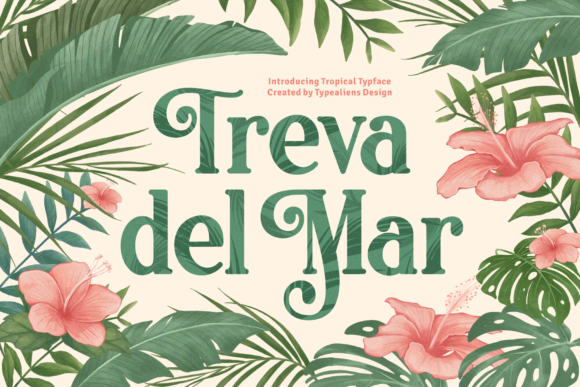
Treva Del Mar: A Vintage-Inspired Font for Design Projects
Treva Del Mar is an exquisite display font that stands out for its vintage aesthetic and elegant design. It combines elements of classic typography with a modern sensibility, making it a versatile choice for various design applications. Whether you're working on branding, editorial design, or digital content, Treva Del Mar offers a unique visual appeal that can elevate your projects.
Understanding Treva Del Mar
Treva Del Mar is a display font designed to capture the essence of vintage typography while maintaining legibility and style. Its character set includes a range of stylistic variations, such as swashes and alternate glyphs, which allow for creative expression in typographic compositions. The font's clean lines and subtle embellishments make it suitable for both print and digital media.
The name "Treva Del Mar" evokes imagery of coastal landscapes and timeless elegance, which aligns with the font's visual characteristics. This connection adds a layer of narrative to the typeface, making it appealing for projects that aim to convey a sense of nostalgia or sophistication.
Reasons to Consider Treva Del Mar
There are several reasons why designers might be interested in using Treva Del Mar. One of the primary factors is its distinctive vintage aesthetic, which can help differentiate a project from more conventional typefaces. This makes it particularly well-suited for brands or content that seek to evoke a sense of history or tradition.
Another compelling aspect of Treva Del Mar is its versatility. While it is primarily a display font, its design allows it to be used effectively in headlines, logos, and other prominent text elements. The font's readability, even at smaller sizes, ensures that it can be used across a wide range of design contexts without compromising clarity.
Additionally, Treva Del Mar offers a level of customization through its alternate characters and stylistic options. This feature enables designers to tailor the font to specific project requirements, enhancing the overall visual impact of their work.
Benefits and Tradeoffs
The benefits of using Treva Del Mar include its ability to add a unique visual flair to any design project. Its vintage-inspired design can create a strong emotional response from viewers, helping to establish a memorable brand identity. Furthermore, the font's adaptability ensures that it can be used in a variety of formats, from web-based interfaces to printed materials.
However, there are also tradeoffs to consider. As a display font, Treva Del Mar may not be the best choice for large blocks of body text due to its decorative nature. Using it for extended passages could lead to readability issues, especially for audiences with visual impairments or those accessing content on smaller screens.
Another consideration is the learning curve associated with mastering the font's features. Designers who are unfamiliar with advanced typographic tools may need to invest time in understanding how to use alternate characters and stylistic sets effectively.
Situations Where Treva Del Mar Is a Strong Fit
Treva Del Mar is ideally suited for projects that benefit from a vintage or nostalgic feel. This includes branding for artisanal products, luxury goods, or historical-themed content. Its elegant design also makes it a good fit for wedding invitations, event posters, and other special occasion materials where a touch of sophistication is desired.
In digital contexts, Treva Del Mar works well for website headers, call-to-action buttons, and other elements that require attention-grabbing typography. Its visual appeal can enhance user engagement by creating a more aesthetically pleasing interface.
For editorial design, Treva Del Mar can be used to highlight key sections of a publication, such as article titles or feature headings. Its ability to stand out while remaining readable ensures that it enhances rather than detracts from the content.
When Alternatives May Be Worth Considering
While Treva Del Mar is a strong option for many design applications, there are situations where alternative fonts may be more appropriate. For example, if a project requires extensive body text, a more traditional serif or sans-serif font would be better suited for ensuring readability and accessibility.
Designers who prioritize minimalism or modern aesthetics may find that simpler typefaces better align with their creative vision. In these cases, alternatives such as Helvetica, Arial, or other clean sans-serif fonts could provide a more effective solution.
Additionally, for projects targeting a younger demographic or requiring a contemporary look, a more modern display font might be preferable. These fonts often incorporate geometric shapes and simplified forms that resonate with current design trends.
Practical Decision-Making Insights
When evaluating whether Treva Del Mar is the right choice for a project, it's important to consider the overall design goals and target audience. If the objective is to create a visually striking composition with a vintage feel, then Treva Del Mar is an excellent option. However, if the focus is on readability or a more streamlined appearance, another font may be more suitable.
It's also worth considering the technical aspects of using Treva Del Mar. Ensuring that the font is properly licensed for the intended use is crucial, especially for commercial projects. Additionally, testing the font across different platforms and devices can help identify any potential issues with rendering or compatibility.
Ultimately, the decision to use Treva Del Mar should be based on a careful evaluation of its strengths and limitations in relation to the specific needs of the project. By weighing these factors, designers can make informed choices that enhance the visual quality and effectiveness of their work.