Harvest Moon: A Vintage Display Font That Elevates Modern Design
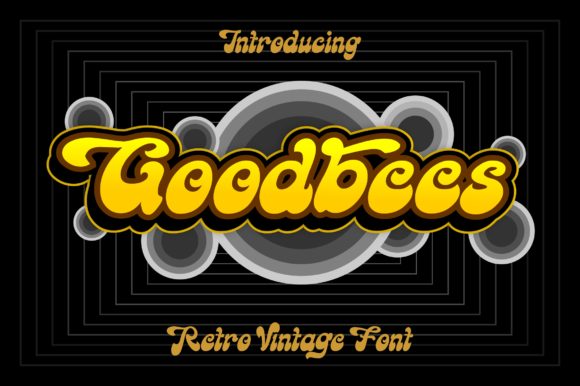
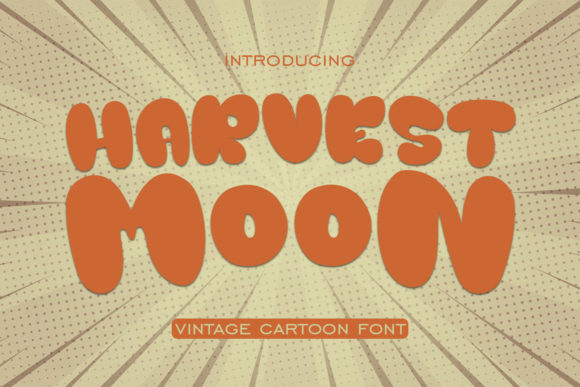
In an era where visual identity is more important than ever, choosing the right font can make all the difference in how a brand or product is perceived. Harvest Moon, a vintage display font with powerful and comic-style characteristics, has emerged as a go-to choice for designers, marketers, and entrepreneurs looking to create eye-catching packaging and branding materials. Its unique blend of retro charm and modern versatility makes it a valuable tool in today’s creative landscape.
The Evolution of Typography in Branding
Typography has always played a crucial role in communication, but its importance has grown exponentially in recent years. As consumers become more visually discerning, brands are under increasing pressure to stand out in crowded markets. This shift has led to a renewed interest in vintage fonts that offer a sense of nostalgia while still feeling fresh and relevant.
Harvest Moon fits perfectly into this trend. With its bold strokes and playful curves, it captures the essence of classic typography while maintaining a clean, professional look that works well across various media. Whether used in logos, packaging, or digital campaigns, this font adds a layer of character that helps brands connect with their audiences on a deeper level.
Why Vintage Fonts Are Making a Comeback
Vintage fonts like Harvest Moon are not just about aesthetics—they carry emotional weight. They evoke memories, tell stories, and create a sense of authenticity. In a world dominated by minimalist and sans-serif designs, the return of vintage typefaces offers a refreshing contrast that can set a brand apart.
For instance, many food and beverage companies have turned to vintage fonts to convey a sense of tradition and quality. The same applies to Harvest Moon, which can be used effectively in packaging for products that aim to evoke warmth, reliability, and a touch of whimsy. Its comic-style elements add a friendly, approachable feel that resonates well with younger audiences without alienating older demographics.
Practical Applications of Harvest Moon
The versatility of Harvest Moon makes it suitable for a wide range of applications. From small businesses to large corporations, designers can leverage this font to enhance their visual storytelling. Here are some practical examples:
- Packaging Design: The font's boldness and readability make it ideal for product labels, boxes, and other packaging materials. It ensures that key information stands out while adding a nostalgic flair.
- Branding Materials: Logos, business cards, and promotional materials benefit from the unique character of Harvest Moon. It helps establish a memorable visual identity that aligns with the brand's personality.
- Digital Campaigns: When used in web banners, social media posts, or email headers, the font adds a touch of creativity that can increase engagement and recall.
Its ability to work across both print and digital formats also makes it a reliable choice for multi-channel marketing strategies. As more brands adopt omnichannel approaches, having a font that performs well in different contexts is essential.
How Harvest Moon Fits Into Modern Workflows
Designers today often work with tight deadlines and multiple platforms, requiring fonts that are easy to use and compatible with various software. Harvest Moon is designed with these needs in mind. It supports standard file formats and integrates smoothly with design tools like Adobe Illustrator, Photoshop, and Canva, making it accessible to both professionals and hobbyists.
Moreover, the rise of remote work and freelance design has increased the demand for high-quality, versatile fonts that can be used across different projects. Harvest Moon meets this need by offering a consistent look that adapts well to different design styles and color schemes. This flexibility allows creators to experiment without compromising on quality.
Trends Shaping the Future of Typography
The typography landscape is constantly evolving, influenced by changing consumer preferences, technological advancements, and cultural shifts. One notable trend is the growing emphasis on personalization and emotional connection in branding. Consumers are no longer satisfied with generic visuals; they want experiences that resonate with them on a personal level.
This trend is reflected in the popularity of fonts like Harvest Moon, which allow brands to express their personality in a way that feels authentic. The font’s comic-style elements, for example, can be used to create a sense of fun and playfulness, appealing to audiences who value creativity and individuality.
Additionally, the increasing use of augmented reality (AR) and virtual reality (VR) in marketing has created new opportunities for typographic experimentation. While Harvest Moon may not be optimized for these cutting-edge technologies yet, its strong visual presence makes it a solid foundation for future innovations in interactive design.
Recommendations for Using Harvest Moon Effectively
To get the most out of Harvest Moon, consider the following tips:
- Use it for Headlines: The font’s bold style makes it perfect for grabbing attention in headlines, titles, and subheadings. Avoid using it for long blocks of text, as it may become difficult to read.
- Pair it with Complementary Fonts: Combine Harvest Moon with a clean sans-serif font for body text to maintain readability while adding visual interest.
- Experiment with Color: The font works well with a variety of color schemes. Try using it in monochrome for a classic look or pair it with vibrant colors for a more dynamic effect.
- Test Across Platforms: Ensure that the font renders consistently across different devices and screen sizes, especially if it will be used in digital campaigns.
By following these guidelines, designers can ensure that Harvest Moon enhances their projects without overwhelming the viewer.
The Lasting Impact of a Thoughtful Typeface
In conclusion, Harvest Moon is more than just a vintage display font—it’s a tool that can help brands and creators make a lasting impression. Its combination of power, playfulness, and versatility makes it a valuable asset in today’s competitive design world.
As trends continue to evolve, the ability to adapt and innovate remains key. By embracing fonts like Harvest Moon, designers can stay ahead of the curve while creating meaningful connections with their audiences. Whether you’re launching a new product, rebranding a company, or simply looking to elevate your creative projects, this font offers a unique opportunity to stand out in a sea of sameness.