Oldblue: A Retro-Inspired Font That’s Shaping Modern Design and Branding
In an era where digital design is dominated by sleek, minimalist fonts, Oldblue stands out as a refreshing alternative. This elegant display font carries a retro charm that resonates with professionals, creators, and entrepreneurs looking to inject personality into their branding, marketing materials, and creative projects. As the design industry continues to evolve, so do the tools and aesthetics that define it—Oldblue is one such tool that has captured attention for its unique blend of nostalgia and modern versatility.
What Is Oldblue?
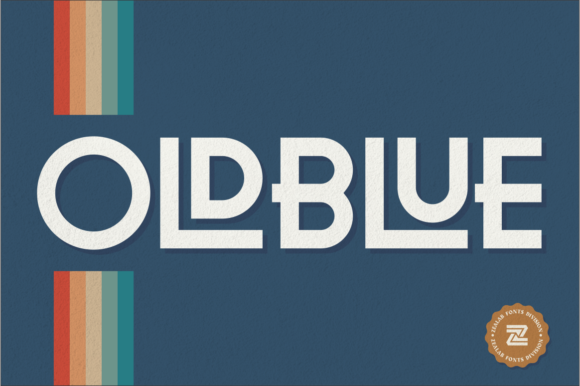
Oldblue is a display font that draws inspiration from vintage typography styles, particularly those seen in mid-century posters, logos, and print media. Its clean lines, subtle serifs, and balanced proportions give it a timeless appeal that works across a wide range of applications—from social media posts to magazine covers and even website headers.
Designed with both legibility and visual impact in mind, Oldblue is ideal for use in headlines, titles, and other prominent text elements. It balances the warmth of traditional typography with the clarity required for digital consumption, making it a favorite among designers who want to stand out without sacrificing readability.
The Rise of Retro-Inspired Design
The resurgence of retro-inspired aesthetics in design isn’t a passing trend—it’s a reflection of changing consumer preferences and cultural shifts. In recent years, there has been a growing appreciation for authenticity, nostalgia, and craftsmanship, all of which are embodied in fonts like Oldblue.
Marketers and brand strategists have noticed that audiences respond positively to designs that evoke a sense of familiarity and heritage. This is especially true in industries such as fashion, food, and lifestyle, where storytelling and emotional connection play a crucial role. Oldblue, with its vintage flair, helps brands communicate a narrative that feels both classic and contemporary.
Why Professionals Are Turning to Oldblue
For professionals in creative fields, Oldblue offers a unique opportunity to differentiate their work. Whether you're designing a logo, crafting a presentation, or creating content for social media, using Oldblue can add a layer of sophistication and character that generic sans-serif fonts often lack.
- Brand Identity: Startups and established businesses alike are using Oldblue to craft memorable logos and brand identities that stand out in a crowded market.
- Marketing Materials: From flyers to email campaigns, Oldblue adds a touch of elegance that aligns with high-end branding efforts.
- Social Media Presence: Influencers and content creators use Oldblue to create visually cohesive feeds that resonate with their audience's aesthetic sensibilities.
Oldblue in the Context of Industry Trends
The increasing demand for Oldblue can be linked to broader trends in the creative and business sectors. For instance, the rise of remote work and digital collaboration has led to a greater emphasis on personal branding and professional identity. Individuals and companies are now more invested in how they present themselves online, and typography plays a key role in this.
Moreover, the shift toward experiential marketing and storytelling-driven content has made visual consistency more important than ever. Oldblue supports these goals by providing a font that feels intentional and well-crafted, reinforcing the message behind any design project.
Practical Examples of Oldblue in Action
Consider a small boutique clothing brand launching an online store. By using Oldblue in their website header and product tags, they immediately convey a sense of quality and tradition. The font doesn't just look good—it communicates a brand story that aligns with their target audience’s values.
Similarly, a freelance graphic designer might incorporate Oldblue into their portfolio site to showcase their work in a way that feels curated and professional. The font adds a level of polish that elevates the overall user experience and makes the designer’s work more memorable.
How Oldblue Fits Into Modern Workflows
As design software becomes more accessible and intuitive, the ability to experiment with different fonts has never been easier. Tools like Adobe Creative Suite, Canva, and Figma allow users to quickly test and apply fonts like Oldblue in real-time, enabling a more iterative and exploratory approach to design.
Additionally, the rise of AI-powered design platforms has made it possible to generate custom layouts that automatically pair well with specific fonts. This means that even those without extensive design experience can leverage Oldblue effectively, ensuring that their content looks professional and cohesive.
Oldblue and the Future of Typography
While the future of typography is still being written, one thing is clear: there will always be a place for fonts that offer both style and substance. Oldblue represents a bridge between past and present—a font that honors traditional design principles while adapting to the needs of modern creators.
As we move further into the digital age, the importance of thoughtful typography will only continue to grow. Fonts like Oldblue remind us that design is not just about aesthetics—it’s about communication, emotion, and connection.
Conclusion: Embracing Oldblue for a Unique Design Edge
In a world saturated with identical-looking websites, logos, and marketing materials, standing out requires more than just a catchy slogan or a strong color palette. It requires a distinct visual language—one that speaks directly to your audience and sets you apart from the competition.
Oldblue offers exactly that. With its retro-inspired design and modern adaptability, it’s a font that can elevate any project, whether you're a marketer, entrepreneur, freelancer, or creative professional. As the design landscape continues to evolve, Oldblue remains a testament to the power of thoughtful typography in shaping brand identity and user experience.
By embracing Oldblue, you’re not just choosing a font—you’re making a statement about who you are and what you stand for. And in today’s competitive world, that kind of intentionality can make all the difference.