Wallace: A Playful and Charming Display Font for Versatile Design Projects
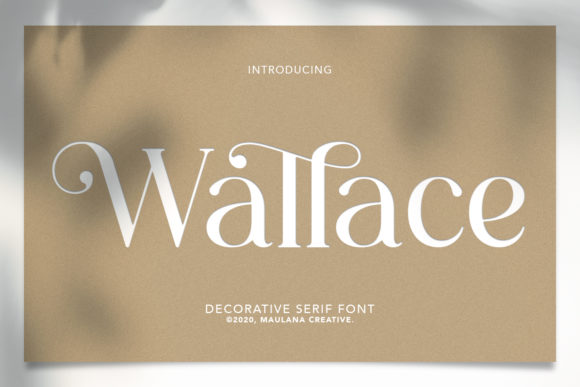
Wallace is a display font that brings charm, playfulness, and elegance to any design project. With its beautifully crafted serif details and elegant ligatures, Wallace stands out as a versatile choice for both formal and informal designs. Whether you're creating a logo, designing a website, or preparing marketing materials, Wallace can enhance the visual appeal of your work with its unique personality.
The font's neat arrangement of letters ensures readability without sacrificing style. Its characterful design makes it ideal for headlines, banners, and other prominent text elements. As a display font, Wallace is best suited for situations where visual impact is key, rather than for large blocks of body text.
Understanding the Needs Behind Choosing a Display Font
Designers and content creators often face challenges when selecting the right font for their projects. The goal is to find a typeface that aligns with the brand’s identity, communicates the intended message effectively, and remains visually appealing across different platforms and mediums.
For many, the need is clear: they want a font that feels approachable yet professional, playful yet refined. This is where Wallace shines. Its combination of charm and structure makes it suitable for a wide range of applications, from creative branding to educational materials.
Whether you're targeting a younger audience with a fun and vibrant look or aiming for a more sophisticated feel, Wallace adapts well to various contexts. It offers a balance between formality and whimsy that few fonts can achieve.
How Wallace Addresses Common Design Challenges
One common challenge in design is ensuring that text remains legible while still being visually engaging. Many display fonts sacrifice readability for style, but Wallace manages to maintain clarity even in its most stylized forms.
Another challenge is finding a font that works across multiple design scenarios. For example, a font used for a logo might not be suitable for a website header or social media post. Wallace, however, can be used consistently across different formats without losing its effectiveness.
Additionally, designers often struggle with matching fonts to the tone of their content. Wallace's playful nature makes it perfect for creative industries such as children's publishing, entertainment, and lifestyle brands. At the same time, its clean lines and structured layout make it appropriate for more traditional settings like academic institutions or corporate communications.
Practical Applications of Wallace in Real-World Scenarios
Wallace can be used in numerous practical ways depending on the needs of the designer or client. Here are some examples:
- Branding and Logo Design: Wallace adds a unique touch to logos, making them stand out while maintaining a sense of professionalism. Its serifs give it a classic feel, which can help establish credibility for a brand.
- Website Headers and Titles: When used in website headers, Wallace draws attention and creates an inviting atmosphere. Its playful yet polished appearance is especially effective for websites targeting younger audiences or those in the creative industry.
- Social Media Graphics: Social media posts benefit greatly from eye-catching text. Wallace's distinctive style helps create memorable visuals that resonate with viewers.
- Print Materials: From business cards to brochures, Wallace enhances print designs by adding visual interest without overwhelming the reader.
These applications show how versatile Wallace is and how it can be tailored to fit different design goals and preferences.
Considerations for Using Wallace Effectively
While Wallace is a powerful tool, there are several considerations to keep in mind when using it:
- Contrast and Readability: Ensure that Wallace is paired with a complementary sans-serif font for body text to maintain readability. Avoid using it in small sizes or low-contrast environments where it may become difficult to read.
- Color and Background: Choose colors and backgrounds that complement Wallace's design. Darker colors work well for light text, while lighter colors are better for dark text. Avoid overly busy backgrounds that could detract from the font's elegance.
- Consistency Across Platforms: Test how Wallace appears on different devices and screen types. While it looks great on high-resolution monitors, it may not render as clearly on lower-resolution screens or mobile devices.
- Licensing and Usage Rights: Always check the licensing terms before using Wallace in commercial projects. Some fonts require specific permissions for use in certain contexts, such as web design or print media.
By keeping these considerations in mind, designers can ensure that Wallace is used effectively and appropriately in their projects.
Who Might Benefit Most from Using Wallace?
Wallace is particularly beneficial for a variety of users, including:
- Graphic Designers: Those looking for a font that adds visual interest to their designs without compromising readability will find Wallace to be an excellent choice.
- Web Developers: Developers working on websites that need a stylish yet functional font can use Wallace for headings and titles to enhance the user experience.
- Marketing Professionals: Marketers can leverage Wallace to create engaging advertisements, social media posts, and promotional materials that capture attention and convey messages effectively.
- Entrepreneurs and Small Business Owners: Starting a new business? Wallace can help establish a strong brand identity with its charming and professional appearance.
Each of these groups has different needs and goals, but all can benefit from the versatility and aesthetic appeal of Wallace.
In conclusion, Wallace is more than just a font—it's a design asset that can elevate the look and feel of any project. Whether you're a seasoned designer or just starting out, incorporating Wallace into your workflow can lead to more engaging and visually appealing results. By understanding its strengths and limitations, you can use it confidently and creatively to meet your design objectives.