Swarm: A Playful Font for Creative Expression and Educational Projects
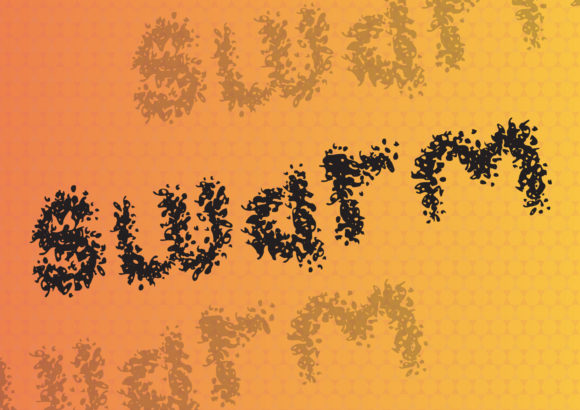
Swarm is a fun and casual display font that brings a unique charm to any design. Its childlike playfulness makes it an excellent choice for creative projects, especially those aimed at children or educational environments. With its distinctive style, Swarm stands out as a versatile option for designers, educators, and content creators looking to add a touch of whimsy to their work.
What Makes Swarm Unique?
At first glance, Swarm might seem like just another display font, but its character sets it apart from the rest. The font's letters are rounded and soft, giving them a friendly and approachable feel. This makes Swarm ideal for projects that require a sense of warmth and innocence, such as school presentations, children’s books, or branding for kid-friendly products.
The key feature of Swarm is its ability to evoke emotion through typography. Unlike more formal fonts that convey professionalism, Swarm invites curiosity and engagement. Each letter seems to dance on the page, making text visually dynamic and inviting. This playful quality can transform even the most mundane message into something memorable and engaging.
Comparing Swarm with Similar Fonts
When considering fonts similar to Swarm, several options come to mind. Fonts like Bubblegum Sans, Comic Sans MS, and Quicksand also have a casual and friendly vibe. However, each has its own set of strengths and limitations when compared to Swarm.
- Bubblegum Sans: While this font shares Swarm’s playful nature, it leans more toward a modern and trendy aesthetic. It may not be as suitable for traditional educational materials.
- Comic Sans MS: Though widely recognized for its informal look, Comic Sans often carries a stigma due to its overuse in non-educational contexts. Swarm avoids this issue by offering a more refined yet still approachable design.
- Quicksand: A sans-serif font with a clean and minimalist appearance, Quicksand is better suited for digital interfaces rather than print-based projects that benefit from a more whimsical feel.
These comparisons highlight how Swarm balances playfulness with readability, making it a well-rounded choice for a variety of applications. Its distinctiveness lies in its ability to maintain visual appeal without sacrificing legibility, which is crucial for educational and informational content.
Best-Fit Situations for Using Swarm
Swarm shines in scenarios where creativity and engagement are priorities. Here are some practical examples of when Swarm could be the right choice:
- Kids’ Projects: From classroom posters to birthday invitations, Swarm adds a cheerful element that resonates with younger audiences.
- Educational Materials: Teachers can use Swarm to create visually appealing worksheets, flashcards, or lesson plans that make learning more enjoyable.
- Branding for Children’s Products: Companies targeting kids with toys, clothing, or entertainment can use Swarm to build a brand identity that feels warm and inviting.
- Creative Presentations: Whether it's a slideshow for a presentation or a social media post, Swarm can help capture attention with its eye-catching design.
However, it's important to consider the context before using Swarm. For instance, in professional settings such as corporate reports or legal documents, a more conventional font would be more appropriate. Swarm is best reserved for situations where a lighthearted tone aligns with the project's goals.
Strengths and Tradeoffs of Swarm
One of Swarm’s greatest strengths is its versatility. It works well across different mediums, including print and digital formats. Its soft curves and consistent spacing ensure that text remains readable even when used in larger sizes. Additionally, the font's availability in multiple weights and styles allows for greater flexibility in design.
Despite these advantages, there are tradeoffs to consider. Because of its playful nature, Swarm may not be the best fit for all types of content. In particular, it may not convey the necessary level of seriousness or authority required in certain professional or academic contexts. Furthermore, while the font is highly readable, it may not be as suitable for long blocks of text due to its stylized appearance.
When to Choose Swarm and When to Look Elsewhere
Choosing the right font involves understanding the purpose of your project and the audience you're targeting. If your goal is to create something that feels welcoming and imaginative, then Swarm is an excellent choice. On the other hand, if your project requires a more formal or structured appearance, it may be wise to explore alternative fonts.
For example, if you're designing a website for a financial institution, a font like Helvetica or Georgia would likely be more appropriate. These fonts provide clarity and professionalism, which are essential in such contexts. Similarly, for technical documentation or research papers, a font with a more neutral and balanced design would be preferable.
Ultimately, the decision comes down to matching the font’s characteristics with the needs of your project. Swarm is not a one-size-fits-all solution, but it excels in specific areas where its playful and friendly style can enhance the overall experience.
Conclusion
In summary, Swarm is a standout font that combines playfulness with functionality. Its unique design makes it a great choice for projects that aim to engage and delight younger audiences or bring a sense of fun to otherwise serious topics. While it may not be suitable for every situation, when used appropriately, Swarm can elevate the visual appeal of any creative endeavor.
By carefully considering the context and requirements of your project, you can determine whether Swarm is the right fit for your needs. Whether you're designing for children, creating educational materials, or simply looking for a fresh new look, Swarm offers a compelling option that deserves to be explored.