Rock Stair: A Playful Display Font That Elevates Your Creativity
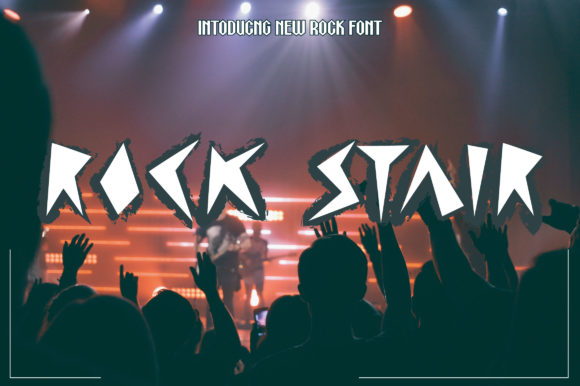
Rock Stair is an incredibly unique display font that brings a fresh, artistic energy to any design project. Its distinct style makes each of your creative ideas stand out, and its playful conceptual approach ensures that it looks truly outstanding in a wide range of contexts. Whether you're designing a logo, crafting a social media post, or creating promotional materials, Rock Stair can help your message capture attention and leave a lasting impression.
What Is Rock Stair?
Rock Stair is a display font designed to add character and personality to visual communication. Unlike standard sans-serif or serif fonts, Rock Stair has a bold, stylized look that mimics the appearance of rocks stacked in a staircase formation. This unique structure gives it a sense of movement and depth, making it ideal for headlines, banners, and other attention-grabbing elements.
The font's versatility allows it to be used in both digital and print formats. It works well with a variety of color schemes and backgrounds, which means it can adapt to different design needs without losing its impact.
Why People Choose Rock Stair
Rock Stair appeals to a wide range of users because of its distinctive visual appeal. Designers love using it for branding projects where they want to stand out from the crowd. Marketers find it useful for creating eye-catching advertisements, while bloggers and content creators use it to make headlines more engaging.
One of the biggest advantages of Rock Stair is its ability to convey a sense of fun and creativity. It’s perfect for businesses that want to express a casual, adventurous, or innovative brand identity. Additionally, its clean lines and structured form ensure that it remains legible even at larger sizes, making it suitable for posters, signage, and web banners.
Common Mistakes When Using Rock Stair
While Rock Stair is a powerful tool, there are some common mistakes that people often make when using it. These errors can affect the overall effectiveness of your design and may even lead to miscommunication or confusion.
- Misusing it in small text: Rock Stair is best suited for large, prominent text. Using it for body copy or small details can make the text difficult to read and may distract from the main message.
- Ignoring contrast: The font’s bold nature means that it needs sufficient contrast against the background. Failing to consider this can result in poor readability, especially on dark or busy backgrounds.
- Overusing it: While Rock Stair is visually striking, overusing it can cause visual fatigue and reduce the impact of your design. It should be used sparingly to maintain balance and focus.
- Not checking licensing: Before downloading or purchasing Rock Stair, it's important to review the licensing agreement. Some fonts have restrictions on commercial use or require attribution, and ignoring these can lead to legal issues.
How to Avoid Common Pitfalls
To get the most out of Rock Stair, it's essential to avoid these common pitfalls. Here are some practical tips to help you use the font effectively:
Use it for emphasis: Instead of applying Rock Stair to every element of your design, reserve it for headings, titles, and key messages. This will ensure that it maintains its visual impact without overwhelming the rest of the content.
Ensure proper contrast: Always test Rock Stair against different background colors and textures. If the text becomes hard to read, consider adjusting the color, adding a subtle shadow, or using a lighter background.
Check the license: Before using Rock Stair in a professional setting, take the time to understand the terms of use. If you're unsure about the licensing, contact the font provider or consult a legal expert to avoid any potential issues.
Pair it wisely: Rock Stair works best when paired with simpler, more readable fonts. For example, combining it with a clean sans-serif font like Helvetica or Arial can create a balanced and professional look.
Real-World Examples of Rock Stair in Action
Let’s take a look at how Rock Stair can be used in real-world scenarios:
- Logo Design: A fitness brand could use Rock Stair for its logo to convey strength and determination. Pairing it with a bold secondary font would reinforce the message while maintaining readability.
- Social Media Posts: Rock Stair is perfect for headlines in social media posts. For instance, a travel blog might use it for a post titled “Explore the World with Rock Stair.” This adds a sense of adventure and curiosity to the content.
- Product Packaging: A craft beer company could incorporate Rock Stair into its packaging design to give it a rugged, earthy feel. This would align with the brand’s image and attract consumers who appreciate unique, handcrafted products.
Final Tips for Choosing and Using Rock Stair
Before deciding to use Rock Stair, there are a few things you should check to ensure it fits your project:
- Project goals: Ask yourself if Rock Stair aligns with the message and tone of your project. If your goal is to appear professional, you may want to choose a more traditional font instead.
- Target audience: Consider who your audience is. If they are young and tech-savvy, Rock Stair may resonate well. However, if your audience prefers a more conservative look, you may need to rethink your choice.
- Design context: Think about where and how the font will be used. Will it be on a website, in print, or on social media? Each medium has different requirements, and Rock Stair may not be suitable for all of them.
By keeping these factors in mind, you can make an informed decision about whether Rock Stair is the right font for your needs. When used correctly, it can transform your designs and help your message stand out in a crowded marketplace.