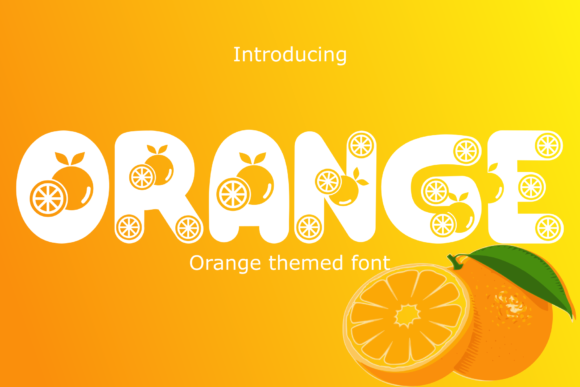
Orange: A Strategic Display Font for Creative and Professional Communication
Orange is more than just a display font—it's a strategic tool that can elevate your visual communication, reinforce brand identity, and support creative expression with precision. Designed to stand out while maintaining readability, Orange offers a unique blend of character and clarity that makes it ideal for a wide range of applications. Whether you're crafting a marketing campaign, designing a website, or creating editorial content, the thoughtful use of Orange can help you achieve better results and make more informed decisions about how you present your ideas.
The Strategic Value of Orange in Visual Communication
When selecting a font, it's essential to consider not only aesthetics but also functionality. Orange is crafted with a purpose: to deliver impact without sacrificing usability. Its bold yet balanced design allows it to command attention while remaining legible even at smaller sizes. This makes it an excellent choice for headlines, titles, and other elements where visibility and emphasis are key.
Strategically, using Orange can help align your visual communication with your overall goals. For example, if your brand aims to convey energy, innovation, or approachability, Orange can reinforce these messages through its dynamic yet professional appearance. It’s a font that speaks to both emotion and intention—making it a powerful asset in branding and content creation.
Why Orange Fits Into Modern Design Practices
In today’s digital landscape, where attention spans are short and competition is fierce, standing out is crucial. Orange provides a distinctive visual identity that helps your content cut through the noise. Unlike generic fonts that are often overused, Orange brings a fresh perspective that can differentiate your work from the rest.
Additionally, Orange is highly versatile. It works well across various media, including print, web, and mobile interfaces. This adaptability ensures that your message remains consistent and impactful regardless of the platform or medium you choose.
How to Use Orange Effectively in Your Projects
Using Orange effectively requires more than just applying it randomly. To maximize its potential, consider the following strategies:
- Use it for headings and titles: Orange shines when used as a headline or title. Its strong presence draws the eye and sets the tone for the content that follows.
- Pair it with complementary fonts: While Orange is a standout font on its own, combining it with a clean sans-serif or serif font can create a balanced and professional look.
- Apply it in brand assets: Incorporate Orange into logos, banners, or promotional materials to reinforce brand recognition and consistency.
- Experiment with spacing and hierarchy: Play with line spacing, letter spacing, and font size to ensure that Orange enhances rather than overwhelms your design.
By thoughtfully integrating Orange into your projects, you can enhance readability, improve user experience, and strengthen your brand’s visual identity. It’s important to test different layouts and see how Orange performs in various contexts before finalizing your designs.
Planning Ahead: When and How to Integrate Orange
Before relying on Orange for a major project, take time to plan its use. Consider the audience you’re targeting, the message you want to convey, and the platforms where your content will be displayed. Ask yourself:
- Does Orange align with the tone and style of my brand or project?
- Will it be readable across different devices and screen sizes?
- Is there a risk of it being too dominant or overshadowing other elements?
Answering these questions can help you make more informed decisions and avoid common pitfalls. For instance, using Orange for long paragraphs may reduce readability, so it's best reserved for shorter, impactful text. Similarly, overusing it across multiple elements can dilute its effectiveness and create visual clutter.
Practical Applications of Orange Across Industries
Orange’s versatility makes it suitable for a wide range of industries and use cases. Here are some practical examples of how professionals in different fields can benefit from using it:
Entrepreneurs and Startups: Orange can be used in pitch decks, marketing collateral, and website headers to communicate innovation and energy. It helps establish a strong first impression and reinforces a brand’s unique value proposition.
Marketers and Advertisers: In advertising, Orange can be used to highlight key messages, calls to action, or promotions. Its bold nature ensures that critical information stands out, increasing engagement and conversion rates.
Bloggers and Content Creators: Blog headers, article titles, and social media posts can benefit from Orange’s striking appearance. It helps capture attention and encourages readers to engage with your content.
Educators and Publishers: In educational materials or publications, Orange can be used to emphasize important points, section titles, or key takeaways. It adds visual interest without compromising readability.
Freelancers and Designers: Including Orange in portfolios, resumes, or client proposals can showcase your attention to detail and creativity. It adds a professional yet distinctive touch to your work.
Long-Term Benefits of Using Orange Strategically
Choosing Orange as part of your long-term design strategy can yield several benefits. First, it helps build brand recognition by creating a consistent visual identity across all platforms. Over time, this consistency can increase trust and familiarity among your audience.
Second, using Orange can improve user experience by making your content more engaging and easier to navigate. When users can quickly identify key sections or important information, they are more likely to stay on your site or read your content.
Finally, incorporating Orange into your workflow can streamline your design process. Once you understand how it behaves in different contexts, you can apply it confidently and efficiently, reducing the need for constant revisions or adjustments.
Risks of Using Orange Without Clear Strategy
While Orange is a powerful font, it’s not without risks. If used without clear goals or context, it can lead to inconsistent branding, reduced readability, or a lack of visual harmony. For example, pairing Orange with overly complex or decorative fonts can create a chaotic layout that distracts from the message.
Another risk is overuse. Applying Orange to every element of a design can diminish its impact and make your content feel less intentional. It’s important to use it selectively and strategically, ensuring that it serves a specific purpose rather than being used as a default option.
Lastly, failing to test Orange across different platforms and devices can result in poor performance. Always review how it looks on desktops, tablets, and mobile screens to ensure that it maintains its clarity and effectiveness in all environments.
Final Thoughts on Making Informed Decisions with Orange
Orange is a valuable addition to any designer’s toolkit, but its success depends on how it’s used. By considering your goals, audience, and context, you can harness its potential to enhance your communication, improve your brand’s visibility, and achieve better outcomes.
Whether you're launching a new product, redesigning your website, or creating marketing materials, taking the time to integrate Orange thoughtfully can make a significant difference. It’s not just about choosing a font—it’s about making a strategic decision that supports your vision and delivers real value to your audience.