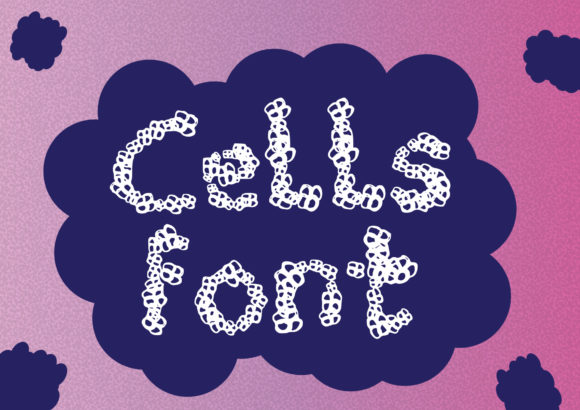
Cells: A Font That Brings Quirkiness and Authenticity to Your Crafting Projects
If you're looking to add a unique, playful, and authentic touch to your crafting projects, Cells might just be the font you need. This original display font is designed with personality in mind, offering a fun and quirky aesthetic that can elevate any design from ordinary to extraordinary. Whether you're creating digital art, designing logos, or working on print materials, Cells brings an element of charm that stands out in today's often-overdesigned world.
Cells is more than just a typeface—it's a creative tool that empowers designers to express their individuality. Its irregular shapes and hand-drawn feel make it ideal for projects that require a sense of spontaneity and authenticity. From branding to invitations, this font can help you craft something truly one-of-a-kind.
Understanding the Appeal of Cells
For many creatives, finding the right font can be a challenge. The market is flooded with options, but not all fonts deliver the desired impact. Cells stands out by offering a fresh perspective on typography. It's not just about aesthetics; it's about making a statement. Its quirkiness makes it perfect for projects that want to break away from the norm and stand out in a crowd.
Designers who value authenticity will appreciate how Cells allows them to create work that feels personal and genuine. It’s a font that doesn’t try too hard, yet still manages to capture attention. This makes it especially appealing for those who want to convey a sense of playfulness without losing the message behind their design.
Challenges in Crafting Projects
Crafting projects often come with specific challenges. One of the biggest hurdles is standing out in a sea of similar designs. With so many creators using the same fonts and styles, it can be difficult to create something that feels truly unique. Additionally, there's the challenge of balancing creativity with functionality—ensuring that the design remains readable while still being visually engaging.
Another common issue is finding a font that aligns with the project's theme. For example, a children's book may require a font that's both whimsical and legible, while a brand identity might need something more professional yet approachable. Cells offers a solution by providing a versatile option that can be adapted to various contexts without compromising its core characteristics.
How Cells Addresses These Challenges
Cells helps overcome these challenges by offering a font that is both distinctive and adaptable. Its quirky nature allows it to stand out, making it ideal for projects that aim to be memorable. At the same time, its readability ensures that the message remains clear and effective.
One of the key advantages of using Cells is its ability to evoke emotion. The irregularity of its letterforms gives it a handcrafted feel, which can be particularly useful for projects that aim to communicate warmth, creativity, or nostalgia. This makes it a great choice for anything from wedding invitations to handmade greeting cards.
Moreover, Cells can be used in both digital and print formats, giving designers the flexibility to apply it across different mediums. Whether you're working on a website, a poster, or a business card, this font can help maintain a cohesive visual identity throughout your project.
Practical Applications and Outcomes
The versatility of Cells means it can be applied in a wide range of scenarios. Here are a few practical examples of how this font can be used effectively:
- Branding: Use Cells for logos or taglines to create a memorable and distinctive brand identity.
- Invitations: Incorporate this font into event invitations for a fun and personalized touch.
- Print Materials: Apply it to brochures, flyers, or packaging to give them a unique and eye-catching appearance.
- Digital Content: Use Cells in blog headers, social media posts, or website banners to add visual interest.
By using Cells, you're not just choosing a font—you're making a design decision that reflects your personality and creative vision. The outcome is a project that feels more authentic and engaging to your audience.
Considerations for Using Cells
While Cells is a powerful tool, it's important to use it thoughtfully. Since it's a display font, it may not be suitable for long blocks of text. Instead, reserve it for headings, titles, or short phrases where its character can shine without overwhelming the reader.
Additionally, consider pairing Cells with more traditional fonts for body text to ensure readability. This approach allows you to enjoy the benefits of Cells without sacrificing clarity or usability.
Experimentation is also key. Try different weights, colors, and spacing to see how Cells interacts with other design elements. The goal is to find a balance that works for your specific project and audience.
Who Can Benefit from Cells?
Cells is suitable for a wide range of users, from hobbyists to professionals. If you're a designer looking to inject some personality into your work, this font can help you achieve that. It's also a great choice for small businesses or entrepreneurs who want to build a brand that feels unique and approachable.
For educators or content creators, Cells can be used to make learning materials more engaging or to add a creative flair to online courses and presentations. Even individuals who aren't professional designers can benefit from using this font to personalize their own projects, whether it's a birthday card or a custom t-shirt design.
No matter your background or skill level, Cells offers a way to bring your ideas to life with a touch of fun and authenticity. Its simplicity and charm make it accessible to anyone looking to add a little personality to their creative work.
In conclusion, Cells is more than just a font—it's a creative expression that can enhance your projects in meaningful ways. By embracing its quirks and authenticity, you can create designs that resonate with your audience and reflect your unique voice as a creator.